Introduction by Brigit Helms, Executive Director of Miller Center for Global Impact
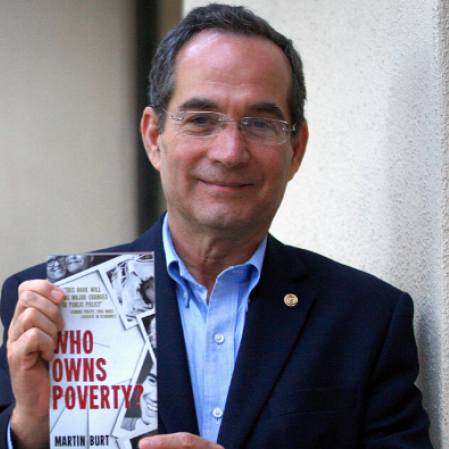
I had the opportunity to participate in the Cerrito Forum 2025 and was deeply impressed by the caliber and commitment of the participants, particularly their focus on self-sufficiency and autonomy, grounded in human dignity and agency in the development process. Many of the ideas Dr. Martin Burt explores in this piece strongly resonate with what we see across the social enterprise sector and within the Miller Center community. His reflections on shifting power, elevating community-led solutions, and building systems that enable people to thrive mirror the very principles that guide our work. It’s my pleasure to share Dr. Burt’s perspective with our community as we continue to learn and build together.
______________________________________________________________________
The world is heading into perhaps the most turbulent half-decade in modern history. War, migration, climate change, economic instability, and institutional decline now converge with haunting regularity. It is no longer enough to respond to crises; global development must become about redesigning systems so that when disaster strikes, communities don’t just survive, but thrive. That was the message of the recent Cerrito Forum, where dozens of leaders, practitioners, and community voices came together to reflect on what “development in crisis” might really look like. The answer they offered was unambiguous: we must center human agency, not aid.
Why crisis is a unique opportunity
Crisis strips away illusions. When public services collapse, savings evaporate, or food security is threatened, people see clearly what works and what doesn’t. At the Forum, keynote speaker Gaby Arenas de Meneses of Catalyst Now described crisis as a window of heightened salience. Suddenly, every aspect of life becomes reframed: not as a fundable project, but as an urgent question of dignity, capacity, and human potential. In these moments, people are ready to act if we give them the trust, resources, and freedom to define solutions.
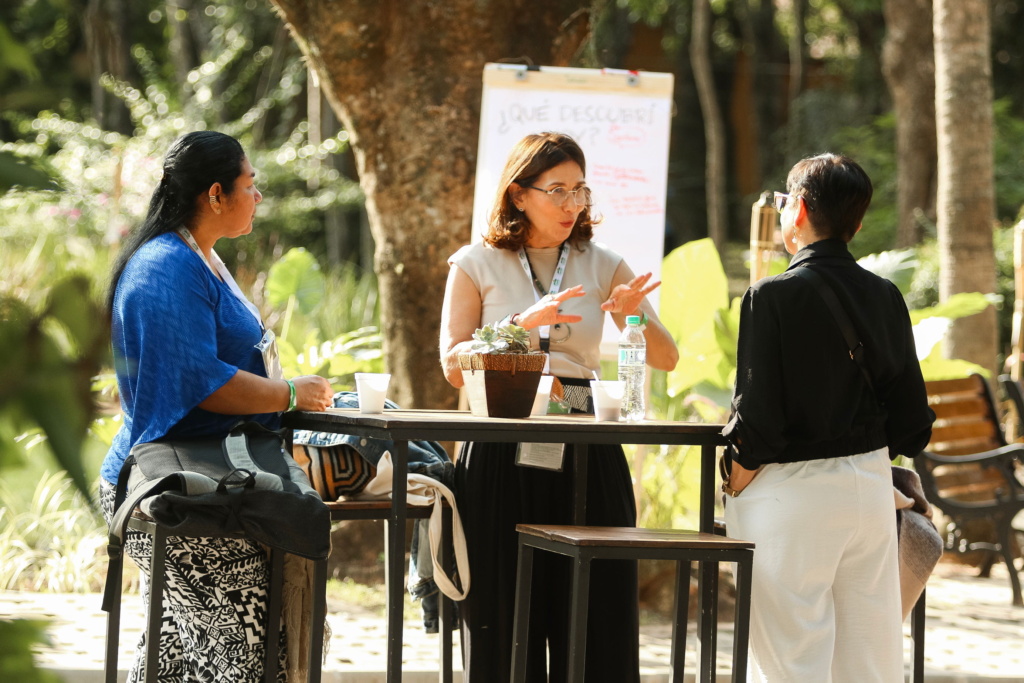
Over 20 sessions at the Forum reinforced a simple proposition: the greatest untapped resource in global development is the communities themselves. Whether it was a family using the Poverty Stoplight to chart a path out of poverty, a women’s committee pooling savings and building micro-businesses, or young students running viable enterprises on a school campus, these were not charity cases. They were innovators, entrepreneurs, and leaders.
From ideas to impact: what works
What struck many of us was how often transformation arises not from high-tech interventions, but from humble shifts in power and trust. A few clear patterns emerged:
Agency matters more than aid. When families, youth, or women’s groups are trusted to define their own priorities, rather than treated as passive recipients, the change sticks. Measurement becomes not about compliance, but about dignity. Data is no longer just for external reports; it becomes a tool communities use to track their own progress.
Behavioral design and accountability work. Drawing on lessons from behavioral science, practitioners argued that lasting change isn’t built on speeches or pamphlets, but on leveraging human motivations, social norms, and supportive environments. Organizations that embedded those insights, through peer accountability, transparent feedback loops, and opportunities for real action, saw rapid, meaningful gains in resilience and productivity.
Platforms over projects. In a world of shifting crises, traditional project-based aid, bound by timelines, budgets, and donor priorities, often misses its mark. A growing consensus at the Forum was that we need platforms: flexible, community-centered ecosystems that connect people to opportunities, services, data, and each other over time. When trusted platforms exist, families don’t just survive one crisis; they build capacity to endure many.
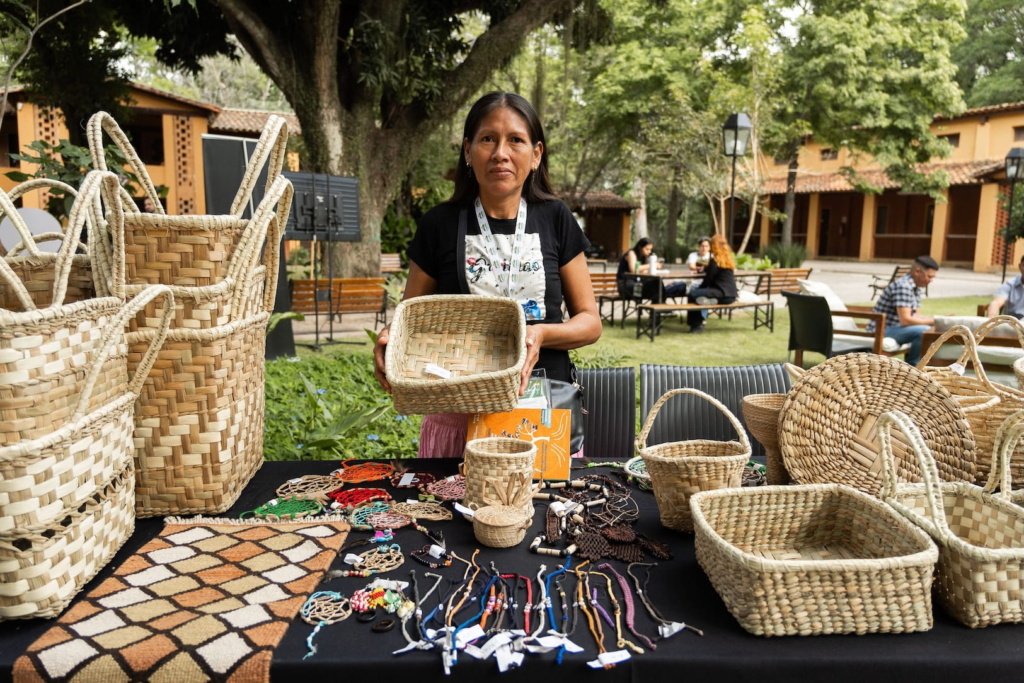
Sustainability starts local. The most impressive models weren’t based on large grants or external experts, but on local knowledge, solidarity, and craft. In women’s committees, small savings groups became investments in businesses. Student-run enterprises in rural schools yielded real income. Artisans and families leveraged culture, creativity, and community ties. This is the kind of development that isn’t fragile, because it’s rooted.
What global development must do differently
To seize the promise of crisis-driven innovation, the global development field must shift in three fundamental ways:
1. Center agency and ownership. Donors and practitioners must cede control. Aid should not be about imposing “solutions,” but about enabling communities to define, measure, and implement their own. This requires new funding models: catalytic grants, flexible financing, and patient support.
2. Invest in human-centered infrastructure, not just hardware. Too often, “capacity building” focuses on training or technology. What communities need first is behaviorally informed design, social norms, peer accountability, and supportive governance architectures. Development actors should embed social-psychological insights into program design.
3. Build platforms, not projects. Long-term, adaptive platforms, community data systems, grassroots enterprises, and social safety nets provide resilience in the face of shocks. Development organizations should view their role as architects of ecosystems, not vendors of discrete interventions.
4. Elevate community innovation as a global source of learning. Funders should treat community solutions, micro-enterprises, women’s savings committees, and school economies as sources of replicable innovation. Incorporate them into global dialogues on scaling, sustainability, and resilience.
A call to action
Policymakers, donors, NGOs, and development practitioners: the next time there’s a crisis, whether economic, environmental, or social, resist the urge to default to emergency funding and top-down solutions. Instead, treat these moments as invitations: to listen, to trust, to support community-led platforms rooted in dignity and agency. Provide catalytic financing. Help convene networks. Offer logistical support, but let communities lead.
And to fellow development professionals: make it your mission not just to alleviate suffering, but to design systems where suffering becomes rare. Let the engines of global development shift: from giving handouts to fueling dreams.
Because when crisis reveals truth, and communities themselves raise their own solutions, that’s when the world doesn’t just survive, it thrives.
___________
Photos:
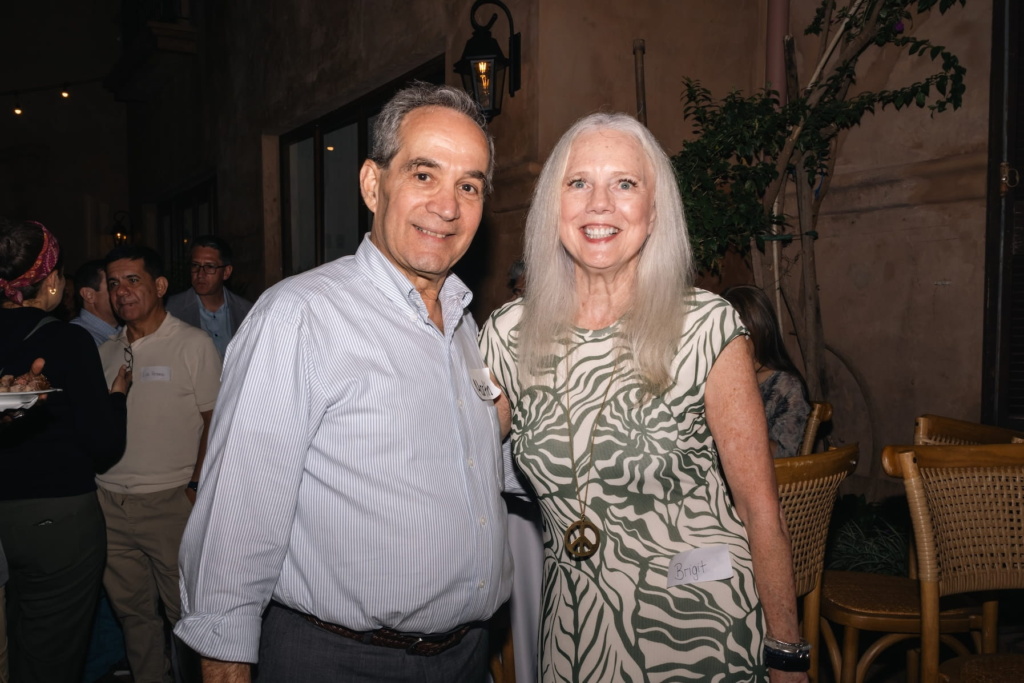
Brigit Helms & Dr. Martin Burt
Community leaders at Cerrito Forum 2025
Artisan at Cerrito Forum 2025