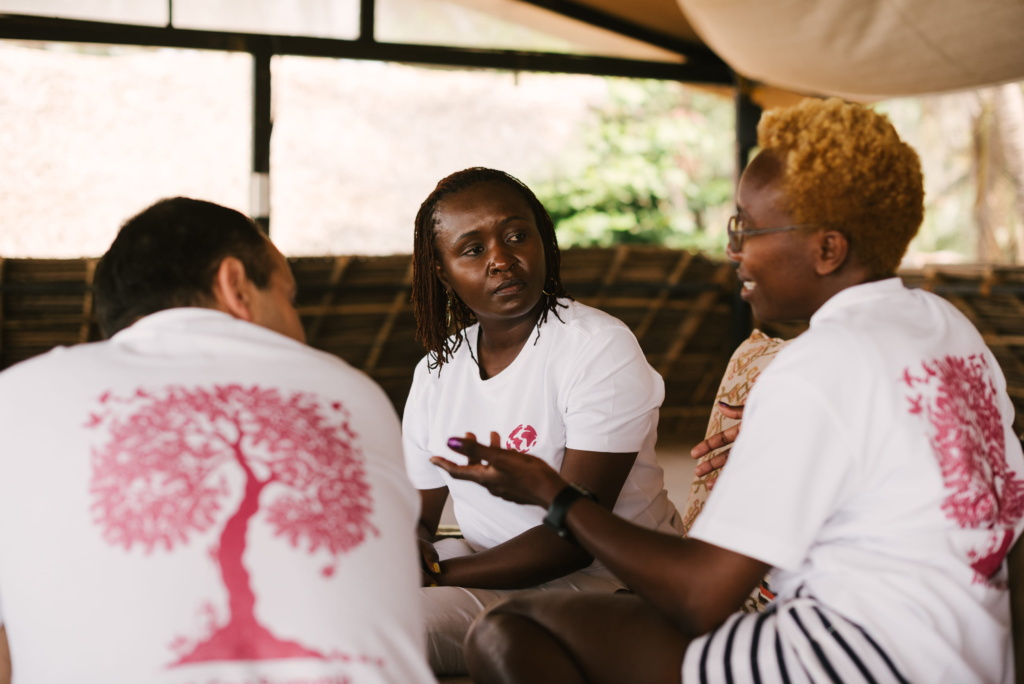
At Miller Center, we talk often about our 2030 goal of building a thriving network of 500 high-impact enterprises. But a number like that only tells you so much. This spring, a different question kept coming up in our conversations: once an accelerator program ends, are entrepreneurs actually finding the support, connections, and opportunities they need, at the moment they need them?
We spent the past several months talking with entrepreneurs across East Africa and Latin America, along with members of our Entrepreneur Advisory Council, to understand what keeps people connected and growing long after an accelerator program wraps. Here’s what we heard.
The Good News, and the Catch
Entrepreneurs who come through Miller Center stay in touch. Long after an accelerator cohort ends, they’re introducing each other to funders, trading advice, showing up for each other’s launches, and building friendships that outlast the program by years.
The catch is that most of this is happening off to the side, in group chats and side conversations we never see. And many valuable connections are still waiting to happen. If we’re serious about the community we want by 2030, we need to make it easier for entrepreneurs to find each other inside Miller Center, not just around it.
What Entrepreneurs Actually Need
The leaders we spoke with weren’t asking for more information. Between newsletters, webinars, and program materials, Miller Center already sends plenty of that. What they want is the right kind of support at the right moment, from someone who has actually lived their specific problem.
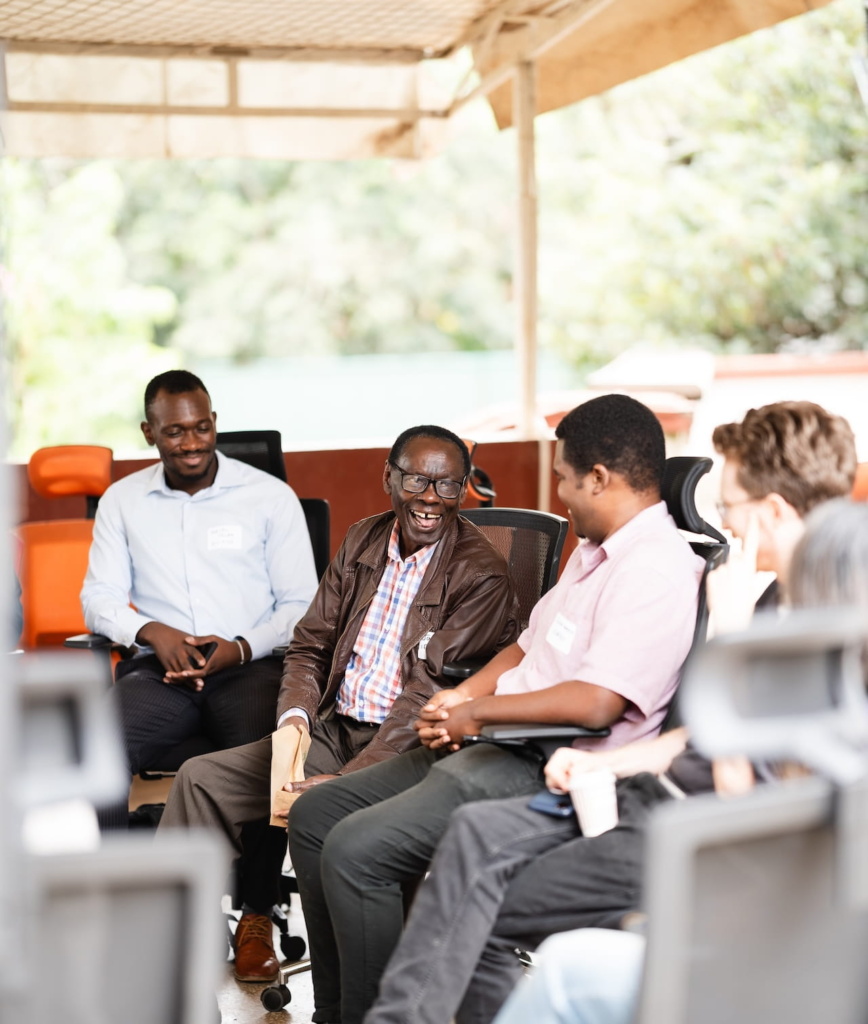
An entrepreneur working through a hiring crisis wants to talk to someone who’s already been through one. An entrepreneur preparing to raise capital wants an introduction to an investor who understands their market. A generic newsletter is easy to skim past. A well-timed, relevant introduction is not.
We also heard a clear preference for small over big. Entrepreneurs told us the real conversations happen around a table of five or ten, not in a conference of two hundred. Small rooms are where trust actually has room to develop, and where people feel safe admitting what’s genuinely hard, not just what’s going well.
Underneath all of it was something simpler than we expected: people show up because of who else is in the room. They trust the person who invited them. They admire the entrepreneur two seats down. They want to return a favor to someone who once helped them. Strong communities run on relationships, not on platforms.
Different Regions, Different Needs
The specifics varied by geography. In East Africa, leaders wanted room to slow down, reflect, and be honest with peers who understand what it actually takes to build a purpose-driven enterprise. In Latin America, entrepreneurs asked for curated access: to funders, to peers a few steps further along, and to people who could help them move faster. Different requests, but the same idea sitting underneath them: connection that’s actually intentional, not incidental.
Introducing Impact Tables
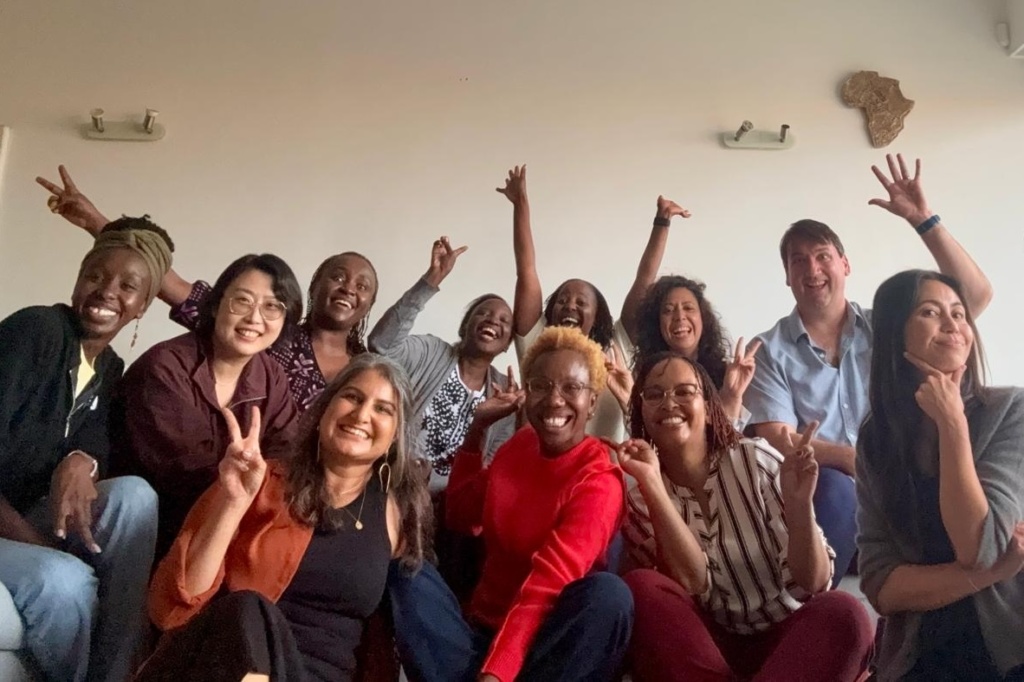
This summer, we piloted a new gathering format in Nairobi and Mexico City. We’re calling them Impact Tables: small groups of entrepreneurs brought together for conversations built to outlast the dinner itself.
Each city developed its own version. Nairobi is built around giving leaders space to connect honestly and learn from each other’s experience. Mexico City’s is built to connect entrepreneurs directly with funders and ecosystem partners, so collaboration has somewhere to start.
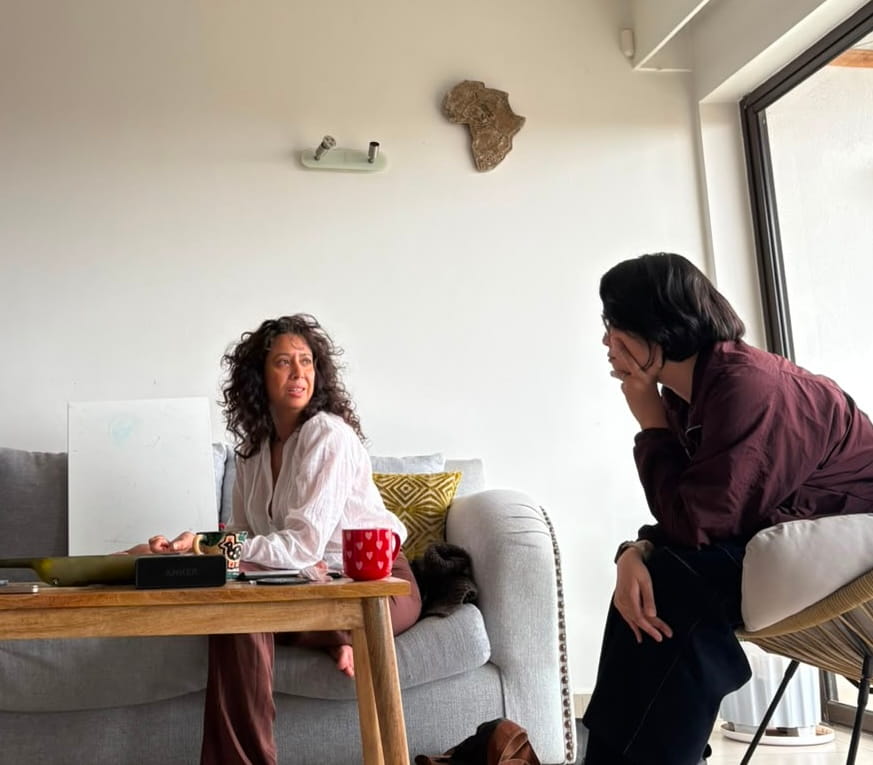
Our first Nairobi Impact Table took place on July 10 at the home of Maziwa CEO Sahar Jamal. Thirteen people came. We invited Neha Erasmus, a transformational facilitator and intuitive guide, to lead the conversation, and what came out of it helped these founders clarify an important personal truth: they aren’t tired of their missions, but they are tired of carrying the weight of running their businesses. Neha walked the group through a conversation about reconnecting with their own purpose, not just their enterprise’s, before everyone kept talking well into the afternoon.
Sahar put it best afterward. Before the facilitated conversation, everyone in the room was talking about their businesses. By the end, people were talking about themselves, about what they were actually carrying. Having permission to pause and be honest changed the whole texture of the gathering.
Our Mexico City pilot, hosted by David Camhi, co-founder of Toroto, and Fefe Silva on July 7, was just as encouraging. Ten people attended, including two investors, for a Brain Trust session built to help entrepreneurs work through real problems together, in real time.
Word is already traveling. Our third Impact Table is coming to Bangalore, organized by BEMPU Health CEO Ratul Narain, who is bringing together Miller Center entrepreneurs across the city for a peer session where founders check in, share their challenges, and workshop them together.
When we debriefed afterward, both teams landed in the same place: this format works. We’ll keep running Impact Tables quarterly in Nairobi and Mexico City, with Bangalore up next, and we’ll add more wherever local entrepreneurs want to organize one.
Building Toward More Personalized Support
We’re also rethinking how we understand what entrepreneurs need in real time, through lighter check-ins and more proactive outreach. The goal is to catch the moments when a mentor, a peer, a leadership coach, an investor, or an expert connection could actually make a difference, and make that introduction before someone has to ask for it. We’re not trying to build something more complicated. Instead, we’re trying to make the support we already offer more accessible and better timed.
Looking Ahead
If this process taught us anything, it’s that the Miller Center community is already alive. Entrepreneurs are introducing each other to funders. They’re hosting one another in their homes. They’re building friendships and working relationships that span continents, mostly without our help.
Our job was never to create those relationships from scratch. It’s to help them happen more often, and more intentionally, in ways that actually last for the people we serve. As we keep working toward 2030, we’ll keep listening, testing, and building alongside this community. It was never really about generating more activity in the first place. It’s about the right people finding each other at the right time, and everything that can grow from there.
This blog is based on research conducted by Fefe Silva.
____________
Photos:
2026 Goa Entrepreneur Summit
2026 Nairobi workshop
Nairobi and Mexico City Impact Tables