

The quiet ways women experience climate change first
On a summer afternoon in rural India, climate change can look like this: a woman leaving home earlier than usual because the nearby well has already dried up. She carries two empty containers and knows the walk will be longer today. No one calls this climate change. It’s just part of the routine now.
That’s often how climate change shows up in India. Not as a headline or a policy problem, but as small changes in daily life. And those changes are not shared evenly.
Where Climate Stress Actually Lands
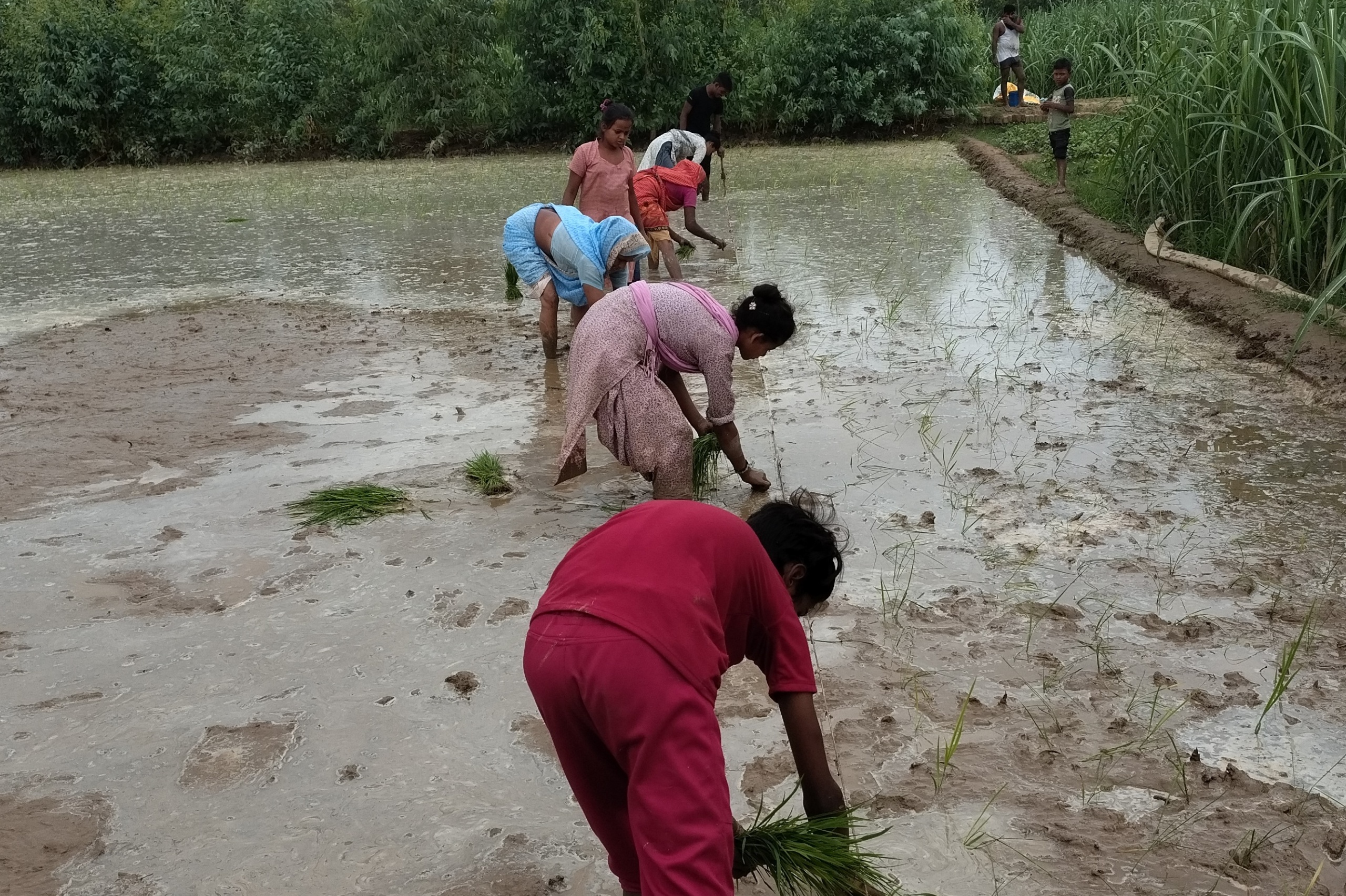
In many households, women are the ones managing water, food, fuel, and care work. When the rains come late or the heat becomes unbearable, their workload grows. Fetching water takes more time. Cooking becomes harder during extreme heat. When crops fail, women are often the ones figuring out how to stretch meals a little further.
These are not dramatic moments, but they add up. Climate stress quietly settles into everyday routines, especially into work that is unpaid and rarely noticed. Over time, this limits women’s choices, whether they can take on paid work, continue schooling, or even rest.
Despite this, many climate solutions are still designed as if households function the same way for everyone. They don’t.
When Solutions Miss the Social Reality
Climate technologies can be effective on paper and still fail on the ground. A clean energy solution might be available, but women may not control household spending. A new agricultural practice may improve yields, but women farmers might not have land titles or access to training. Water systems may be installed, but fall into disrepair when women are left out of decision-making.
These issues are often described as implementation challenges. But more often, they are design blind spots.
Ignoring gender doesn’t make climate action neutral. It shapes who benefits and who carries the cost.
Women Are Already Adapting, in Practical Ways
At the same time, women are not waiting for perfect systems. Across India, they are adjusting farming practices, organizing water access, and running small clean-energy initiatives. In some communities, women are trained to maintain solar systems. Because they are local and trusted, people actually use the technology and take care of it.
What makes these efforts work is not just innovation. It’s fit. These solutions make sense in the context of everyday life. They work with existing routines instead of trying to override them.
Why Social Enterprises Matter Here
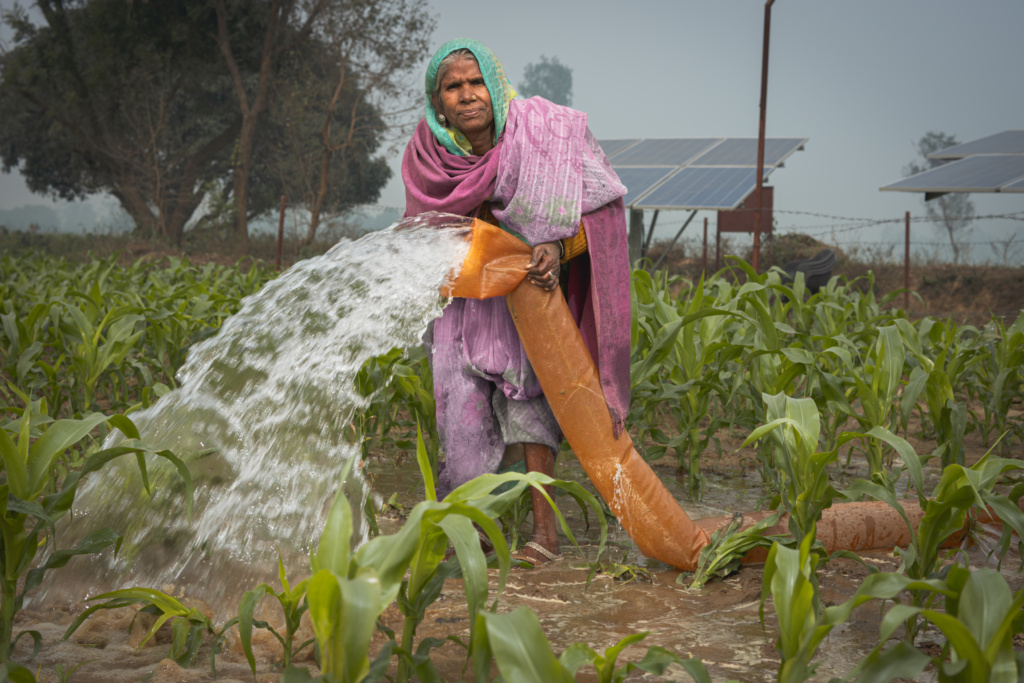
This is where social enterprises often get it right. Enterprises that take gender seriously tend to ask different questions from the start. How much time does this take? Who controls the money? Who is expected to do the extra work if something breaks?
When women are treated as workers, leaders, and decision-makers, rather than just end users, climate solutions tend to last longer. Adoption improves. Systems are maintained. The benefits show up not only in environmental outcomes, but in livelihoods and household stability.
Gender-intentional design isn’t about adding a “women’s component.” It’s about paying attention to how people actually live.
Rethinking What Climate Impact Looks Like
Looking at climate change through this lens changes the way impact is understood. Instead of focusing only on scale or efficiency, it raises simpler questions: Who does the work? Who makes the decisions? Who absorbs the risk when things don’t go as planned?
These questions matter because climate solutions are social systems, not just technical ones. When inequality is ignored, it tends to be reinforced.
Moving Forward
Climate change is already reshaping everyday life across India. The question now is how to respond in ways that last. Supporting women-led and gender-responsive climate enterprises is one practical path forward.
At Miller Center for Global Impact, the focus on impact-driven entrepreneurship reflects an understanding that lasting solutions come from working with social realities, not around them.
Climate resilience won’t be built by technology alone. It will be built through everyday practices, relationships, and trust. Much of that work is already being done by women. Climate action needs to catch up.
_____________
Photo Credits: Oorja
