
We spend a lot of time designing what happens on stage. But the conversations that actually change a company? They almost never happen there.
That realization shaped this year’s Miller Center Entrepreneur Summit in Goa, where 27 entrepreneurs from nine countries gathered for four days, designed less like a conference and more like a retreat. For years, like many ecosystem builders, we followed a familiar formula: panels, speakers, curated insights, carefully designed agendas. Those spaces have value. But the moments that truly shifted entrepreneurs weren’t happening under the spotlight.
They happened afterward. On walks. Over meals. In the quiet pause between sessions. This year, we designed differently.
Why Goa, India?
Goa wasn’t a random choice. We intentionally chose a setting that shifted the energy from “conference” to “retreat.”
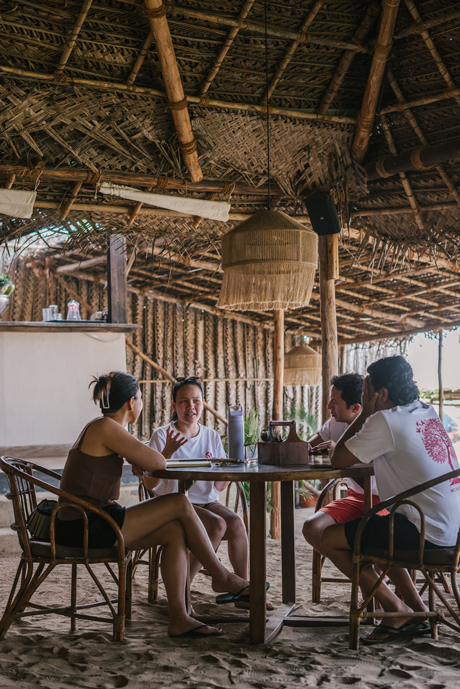
Less performance. More presence. Less broadcasting. More listening. More room to breathe. To think. To be human. To kick off your shoes, feel the sand beneath your feet, and sit grounded on the floor, not behind a desk.
From day one, entrepreneurs said this summit felt different. The pace. The tone. The depth of conversation. The shift came from one simple decision: we didn’t start with our agenda. We started with theirs.
Before the summit, we asked:
- What are you wrestling with right now?
- Where do you feel stuck?
- What feels hard to say out loud?
Those answers shaped the week. The sessions weren’t theoretical or polished case studies. They were led by entrepreneurs themselves.
We talked about:
- Messy leadership transitions
- Team tensions
- Scaling challenges
- Ethical dilemmas
- Failures that are still raw
Not the stories you put on slides, but the stories that carry weight.
A Global Community, Shared Pressures
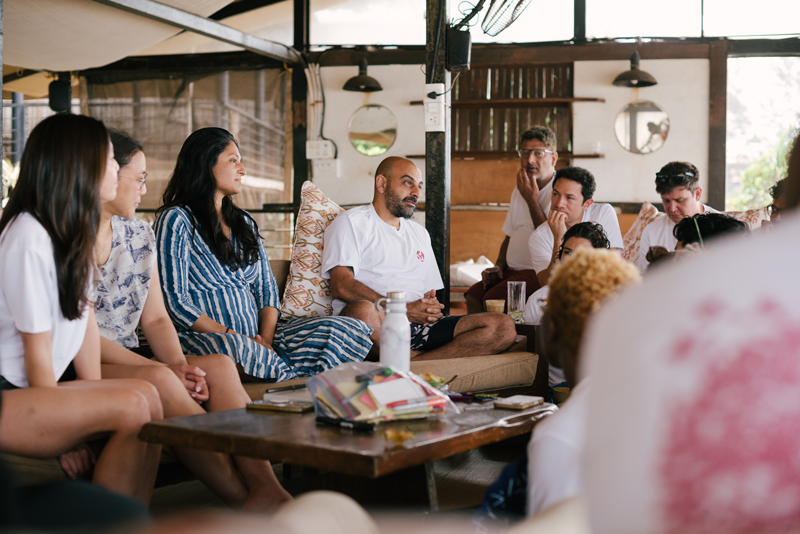
What made this gathering powerful was who was there. After our first Summit in Nairobi last year, we saw what happens when entrepreneurs are given real space to connect. Candor deepened. Trust accelerated. Leaders didn’t just attend. They had space to exhale.
Entrepreneurs came from India, Kenya, Uganda, Nigeria, Mexico, Nepal, the United States, Paraguay, and the Philippines. Different markets. Different constraints. Different ecosystems. Some returning leaders. Some new voices. All building bold solutions to tough challenges. And despite the diversity, the themes were strikingly similar. Wherever they are building, impact founders are carrying many of the same invisible pressures.
Three Themes That Surfaced
1. Pause Is Strategic
Impact entrepreneurs carry enormous responsibility—for teams, communities, investors, and the mission itself. The work is relentless. Somewhere along the way, we’ve absorbed the idea that stepping back is indulgent. It isn’t.
When leaders are given real space, no agenda pressure, no performance expectations, their thinking sharpens. Their clarity returns. Their long-term perspective expands. Pause isn’t soft. It’s strategic. Reflection isn’t a luxury. It’s leadership infrastructure.
2. Peer Wisdom Reduces the Cost of Mistakes
One founder said it simply: mistakes are expensive. A wrong hire. A delayed pivot. A misread market. Months of runway disappear.
When entrepreneurs share what didn’t work, not just what did, everyone learns faster. What happened in Goa wasn’t advice-giving. It was pattern-sharing. Hard-earned insight offered generously. That kind of exchange doesn’t happen by accident. It has to be designed for.
3. Safe Space Unlocks Clarity
Entrepreneurship is lonely. Impact entrepreneurship even more so. High stakes, limited resources, and moral responsibility layered on top of operational pressure. When leaders can speak honestly about fear, doubt, burnout, and hard decisions, without posturing, something shifts.
They reconnect with their own clarity. And clarity fuels better leadership. This is core to how we think about Miller Center’s work.
If we build communities that respond to what entrepreneurs actually need, not what we assume they need, they are far better positioned to scale solutions that match the problems they’re tackling. Community isn’t soft support. It’s strategic infrastructure.
Designing for Intimacy at Scale
As our network grows, we find ourselves thinking less about how to make these summits bigger and more about how to keep them real.
- How do we scale without losing honesty?
- How do we grow visibility without shrinking vulnerability?
- How do we make sure entrepreneurs don’t feel pressure to have all the answers when they’re still working through the questions?
Capital and strategy matter. But for leaders, clarity matters more. And clarity rarely happens on stage. It happens in rooms where people feel safe enough to tell the truth.
That’s the shift Miller Center cares about. And it’s what we’re building toward.