In today’s world of complex global challenges, we need leaders who can navigate uncertainty while leading with purpose. This is the essence of the Miller Center Lewis Family Fellowship, which brings together Santa Clara University students and social entrepreneurs from around the world. Through an exchange of learning, collaboration, and real-world engagement, the program cultivates leaders who are equipped to create meaningful change. “Miller Center has been working to intentionally link academic inquiry with lived experience,” explained Karen Runde, Senior Director, Academics & Social Entrepreneur Network. “Fellows learn to think critically about their impact and their responsibility to the communities they engage.”
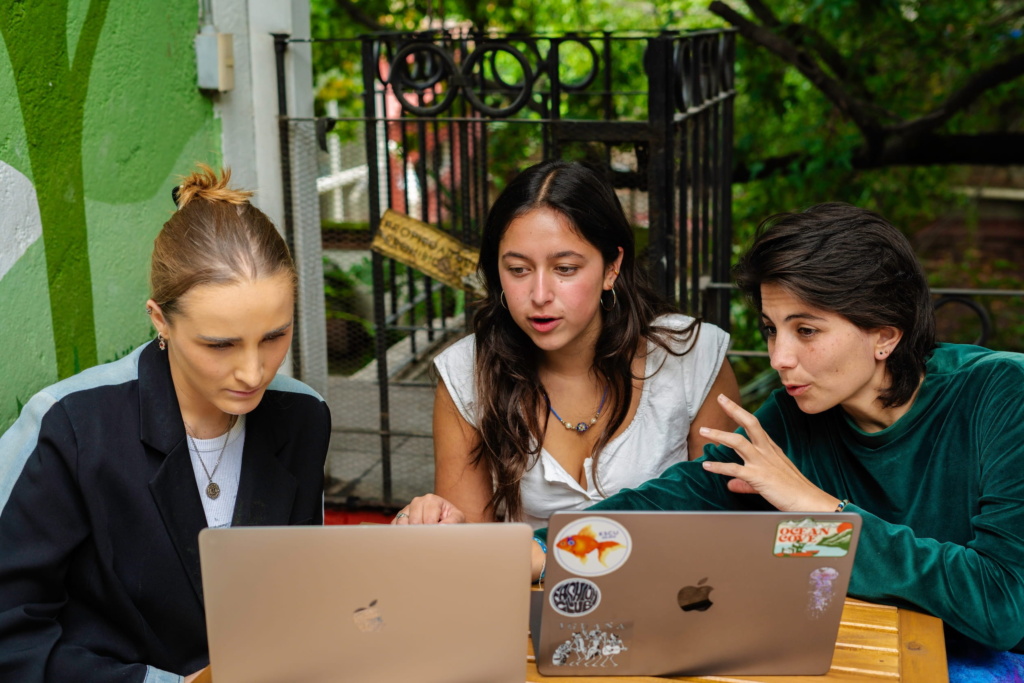
Fellows are carefully matched with social enterprises based on how their interests and fields of study align with an enterprise’s most pressing challenges, ensuring each project addresses a real and immediate need. Guided by SCU Professor Leslie Gray, fellows move beyond theory — applying their academic training through research, interviews, analysis, and strategy development, and collaborating closely with social entrepreneurs to gain firsthand insight into the realities of building and scaling impact-driven organizations. And, while the students’ projects will help enterprises advance their missions, the learning extends well beyond what could be captured in a final report. Fellows are encouraged to pause, ask thoughtful questions, and reflect on how their skills and values intersect with the communities they serve, supporting their growth not only as professionals but as young adults committed to a more just and sustainable world. As Linda Gentry, Sr. Manager Campus Engagement, shared, “Miller Center’s fellowship program offers the kind of education that shapes the whole person. Through this experience, students learn to use their intellect and values to engage with complex global realities. ”
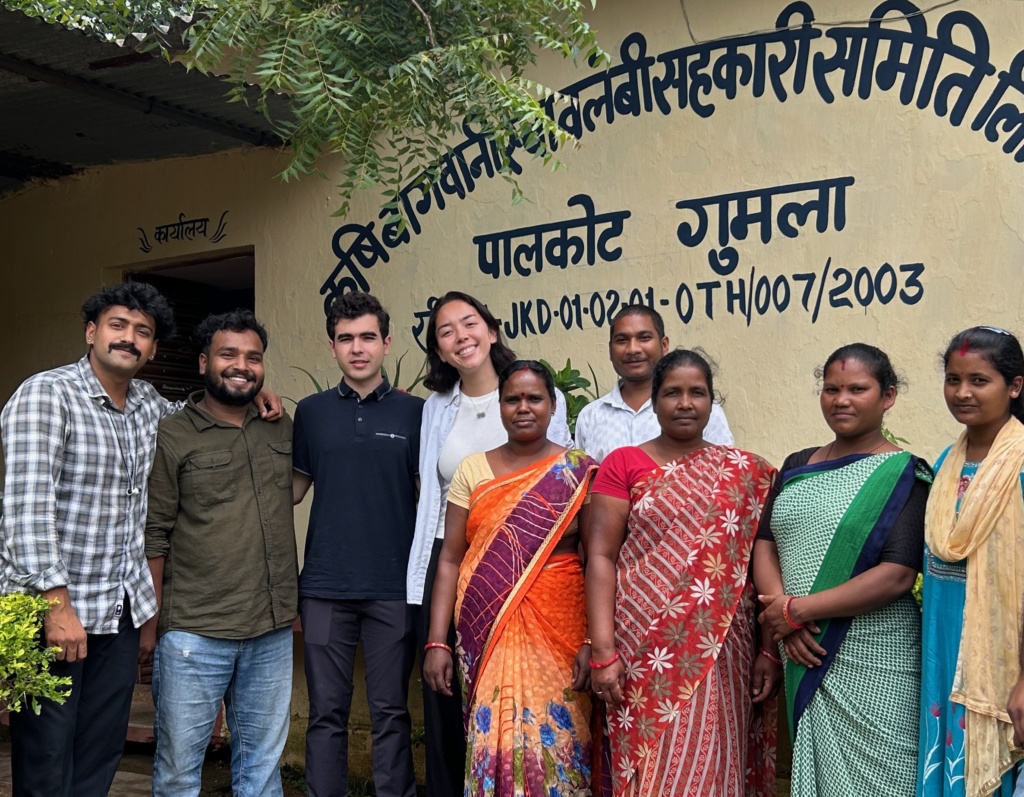
This learning was on full display at our recent Action Research with a Mission (ARM) Showcase, where we witnessed the work of 14 exceptional fellows who spent the past nine months working alongside mission-driven enterprises in Mexico, India, Kenya, and Rwanda, tackling pressing global challenges while deepening their understanding of their role as emerging leaders.
Turning Research into Action
For Erik Pompermayer ‘26 and Cecelia Fox-Middleton ‘26, working with social enterprise Jibu, which scales access to safe drinking water, meant digging deeply into how day-to-day operations shape impact on the ground. Based in Kigali, Rwanda, and Nairobi, Kenya, the fellowship team conducted nearly 40 interviews across 34 Jibu franchise locations to evaluate the company’s point-of-sale system.
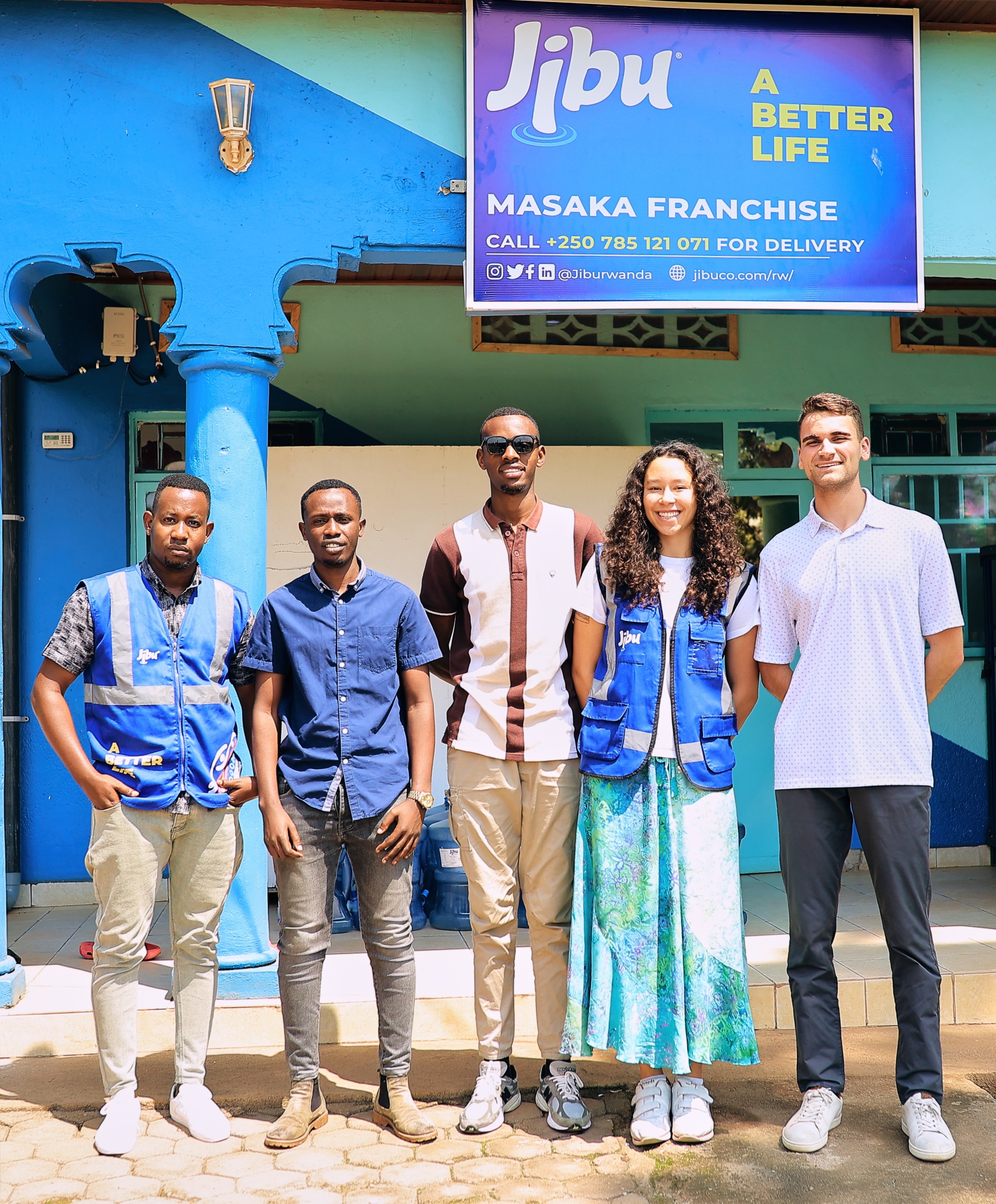
Through careful qualitative analysis and data coding, their research revealed a clear gap between franchise needs and existing technology. Many franchise operators relied on pen-and-paper tracking due to missing system features, limited training, and inconsistent internet connectivity. Their final recommendations included an interface redesign and a structured training framework offering Jibu practical, implementable solutions grounded in lived realities.
Just as important, Cecelia reflected on how working across cultures reshaped her own perspective. “Even with months of preparation, there was still culture shock,” she shared. “The pace of life was different, but learning to adapt, listen, and build relationships changed how I navigate the world.” Those relationships extended beyond the workplace, reinforcing the fellowship’s emphasis on learning with communities, not just about them.
Strengthening Identity and Community
Orion Cook ‘26, Grace Falci ‘26 and Charly Aylward ‘26 partnered with Grupo PROMESA, a social enterprise in Mexico City advancing environmental education and sustainable waste management. Their project focused on strengthening brand cohesion across PROMESA’s many programs to solve an issue the fellows first noticed during early research.
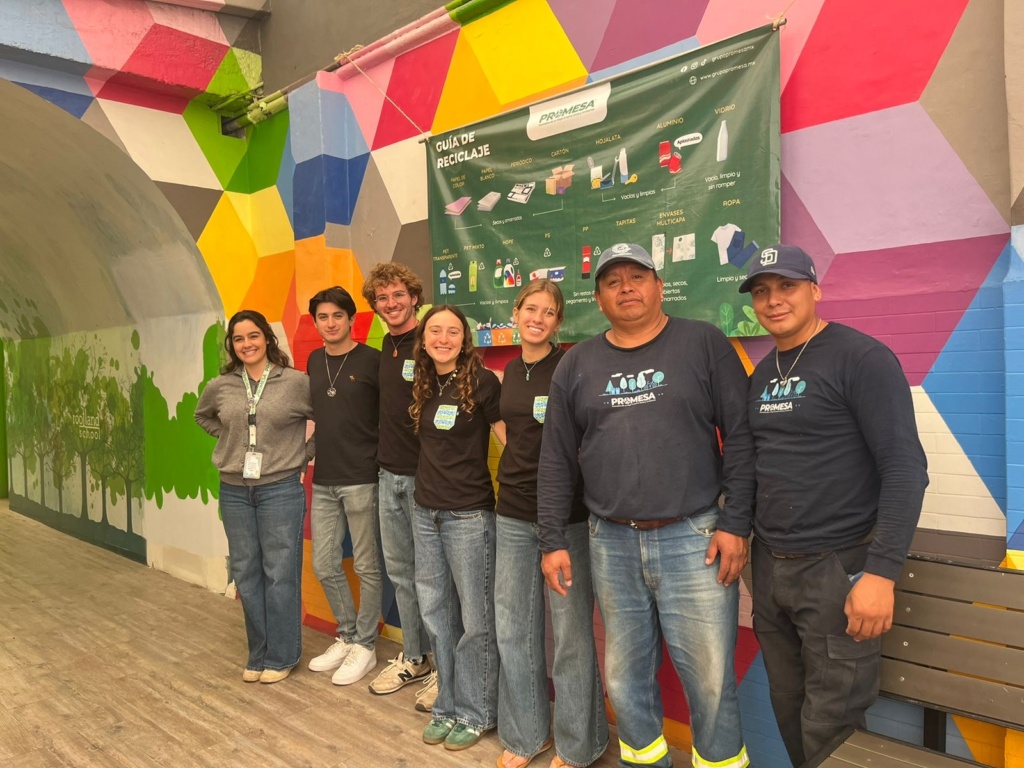
Through surveys, site visits, and interviews with staff and community partners, the research team uncovered a central challenge: internal communication gaps were limiting how partners understood PROMESA’s full scope and impact. While individual programs were well regarded, many partners associated the organization with only one initiative.
The team’s recommendations were intentionally practical and low-cost, including internal and external newsletters designed to improve information flow and strengthen organizational identity. Seeing PROMESA’s work firsthand, especially at a student film festival celebrating environmental storytelling, brought the impact to life. “It was a powerful reminder that our research wasn’t abstract,” Grace reflected. “It directly supported a community working toward a more sustainable future.”
Researching with Care
For Isabelle Pink ‘26, Julia Routh ‘26, and Saron Weldemariam ‘26, working with Inkomoko in Rwanda meant balancing rigorous research with deep relationship-building. Their project explored the feasibility of launching an independent microfinance arm to support urban refugees and those residing in camps.
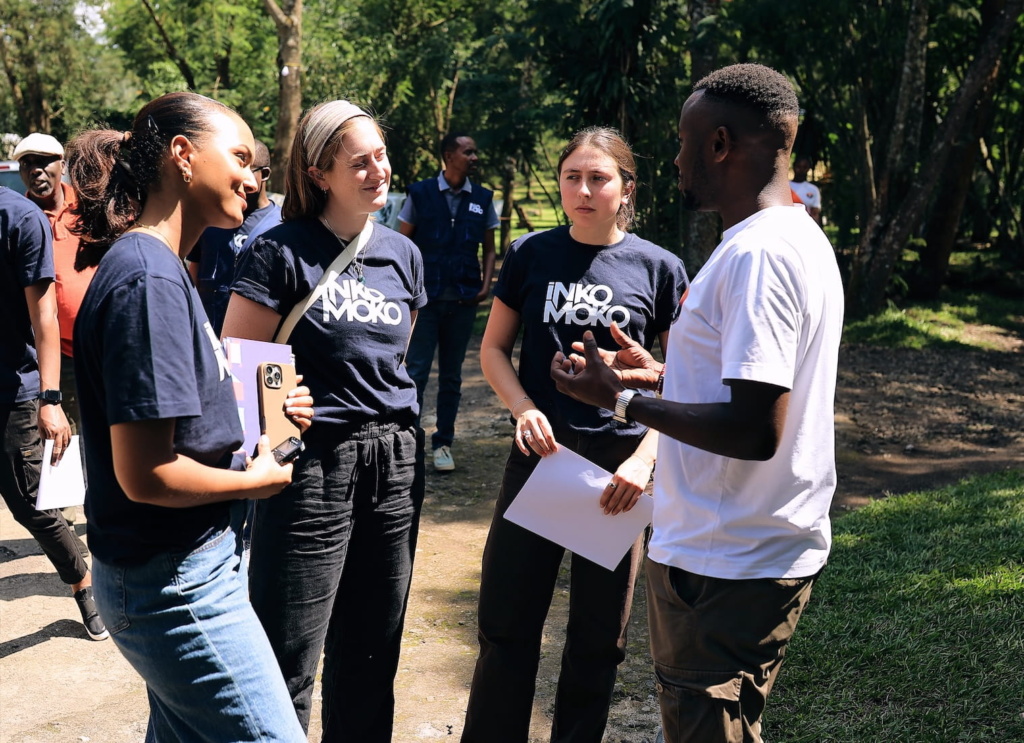
Through more than 50 interviews with both urban refugees and individuals living in camps, the team identified patterns that shaped new, unexpected recommendations. The fellows presented their findings in person to Inkomoko staff and delivered an in-country slide presentation, followed by a comprehensive action research report that translated these insights into clear, actionable pathways for launching the proposed microfinance arm.
“I felt I was contributing to meaningful work,” Julia shared. “But I was also growing, both vocationally and personally.” Supported by a welcoming office culture and strong peer community, her experience reflected the fellowship’s core goal: helping students discern how their skills, values, and sense of purpose align with the needs of the world.
Carrying Purpose Forward
So let’s congratulate this year’s cohort of fellows as they begin their next chapters, carrying forward practical experience working across cultures and a commitment to using their skills in the service of others. The Miller Center Fellowship leaves them better equipped not just to build solutions, but to engage the world with curiosity and integrity, hallmarks of effective leadership.
| Name | Major | Social Enterprise |
| Rachel Lin-Peistrup | Environmental Science | FCF India |
| Arturo Torres Torres Landa | Math and Computer Science | FCF India |
| Julia Routh | Economics and History | Inkomoko |
| Saron Weldemariam | Political Science | Inkomoko |
| Isabelle Pink | Finance and Sustainability | Inkomoko |
| Erik Pompermayer | Management Information Systems | Jibu |
| Cecelia Fox-Middleton | Psychology and Philosophy | Jibu |
| Orion Cook | Bioengineering | Grupo PROMESA |
| Grace Falci | Environmental Science and Biology | Grupo PROMESA |
| Charly Aylward | Anthropology | Grupo PROMESA |
| Emma Hardy | Environmental Science and Sustainable Food Systems | Rutopía |
| Shivani Glynn | Environmental Science and Communication | Rutopía |
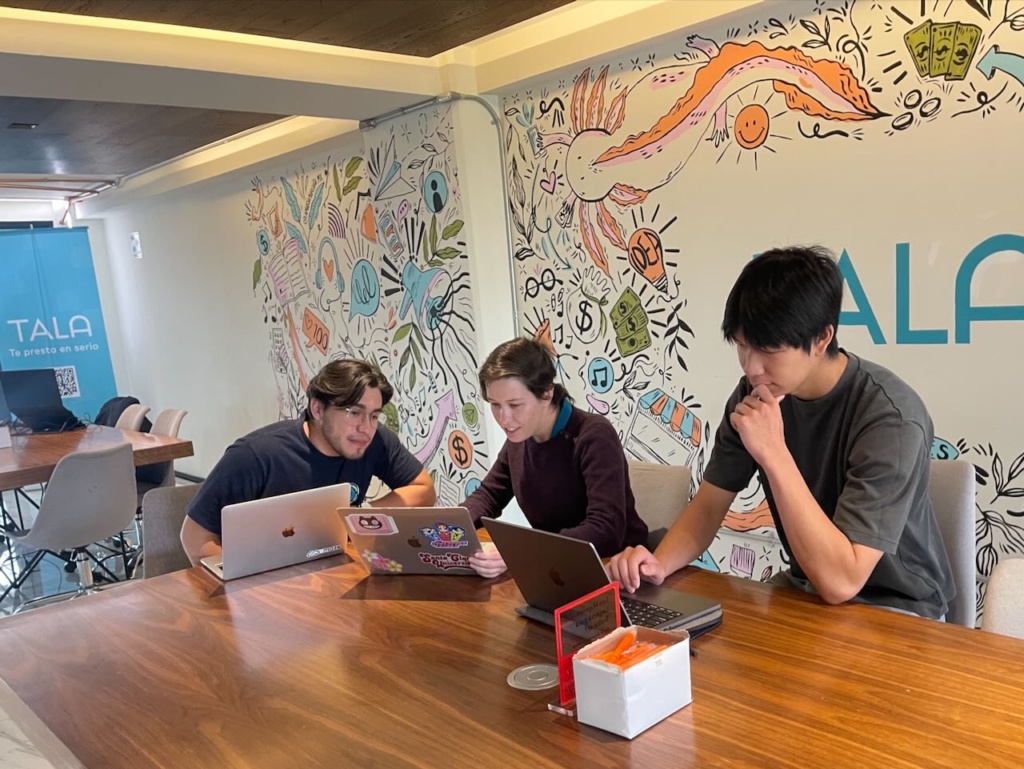
| Mary Clare Broyles | Math | Tala |
| Ethan Yeh | Management Information Systems | Tala |
If you are a student in any major of study interested in the Miller Center Lewis Family Fellowship (open to juniors) or a faculty member interested in becoming a Miller Center Scholar, please contact Linda Gentry, Senior Manager of Campus Engagement. If you are an undergraduate or graduate student interested in applying for a Miller Center paid internship, please contact Anthony Sampson, Campus Engagement Manager, for more information.
______________
Photos:
Tala: Mary Clare Broyles ’26, Ethan Yeh ’26
Rutopía: Shivani Glynn ’26, Emma Hardy ’26 (not pictured)
FCF India: Rachel Lin-Peistrup ’26, Arturo Torres Torres Landa ’26
Jibu: Erik Pompermayer ’26, Cecelia Fox-Middleton ’26
Grupo PROMESA: Orion Cook ’26, Grace Falci ’26, Charly Aylward ’26
Inkomoko: Julia Routh ’26, Saron Weldemariam ’26, Isabelle Pink ’26
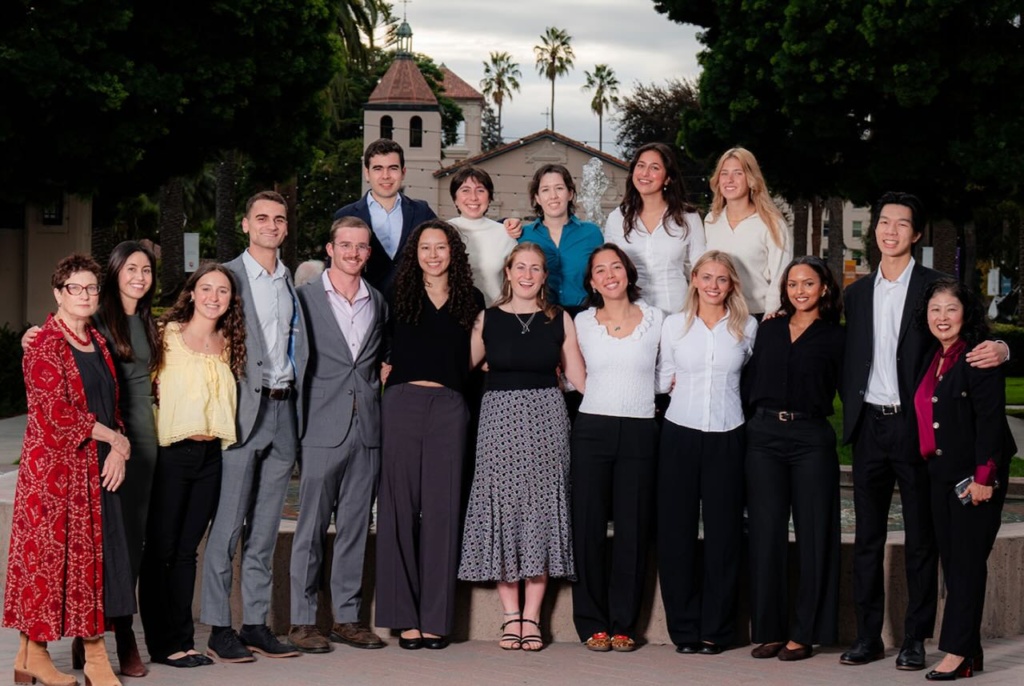
2025 Miller Center Lewis Family Fellows with SCU Professor Leslie Gray and Miller Center Staff Karen Runde and Linda Gentry