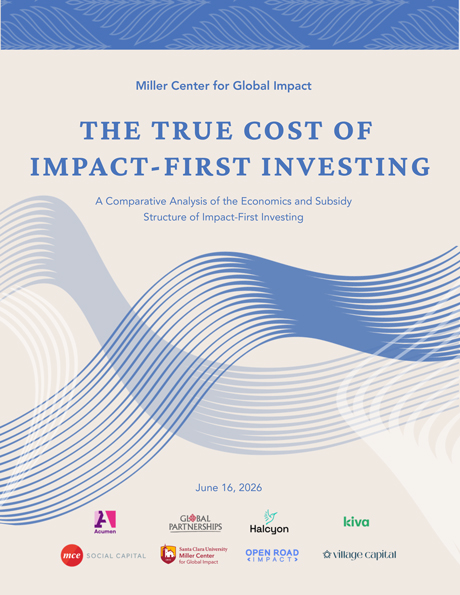
Impact investing has always promised to direct capital where traditional markets will not—but what does it actually take to make that work? Drawing on one of the first collaborative cost studies of its kind, spanning eight leading impact-first investment organizations managing $197.2 million across 362 investments, this paper challenges one of the sector’s most persistent myths: that impact-first funds are inherently inefficient. The data show the opposite. These funds completed more deals per year than comparable traditional funds while operating at a lower average cost per investment.
The real cost difference lies in serving the entrepreneurs and communities conventional finance leaves behind through smaller, more flexible, and higher-touch investments. This paper argues that this is not inefficiency—it is the cost of inclusion. It makes the case that catalytic philanthropy is not simply funding impact, but building markets by enabling capital to reach overlooked enterprises, recycle successful investments, and generate lasting social and environmental returns. Whether you’re an investor, foundation, policymaker, or practitioner, this research offers a data-driven framework for understanding why closing the subsidy gap at the fund level may be one of the most effective ways to unlock inclusive markets at scale.