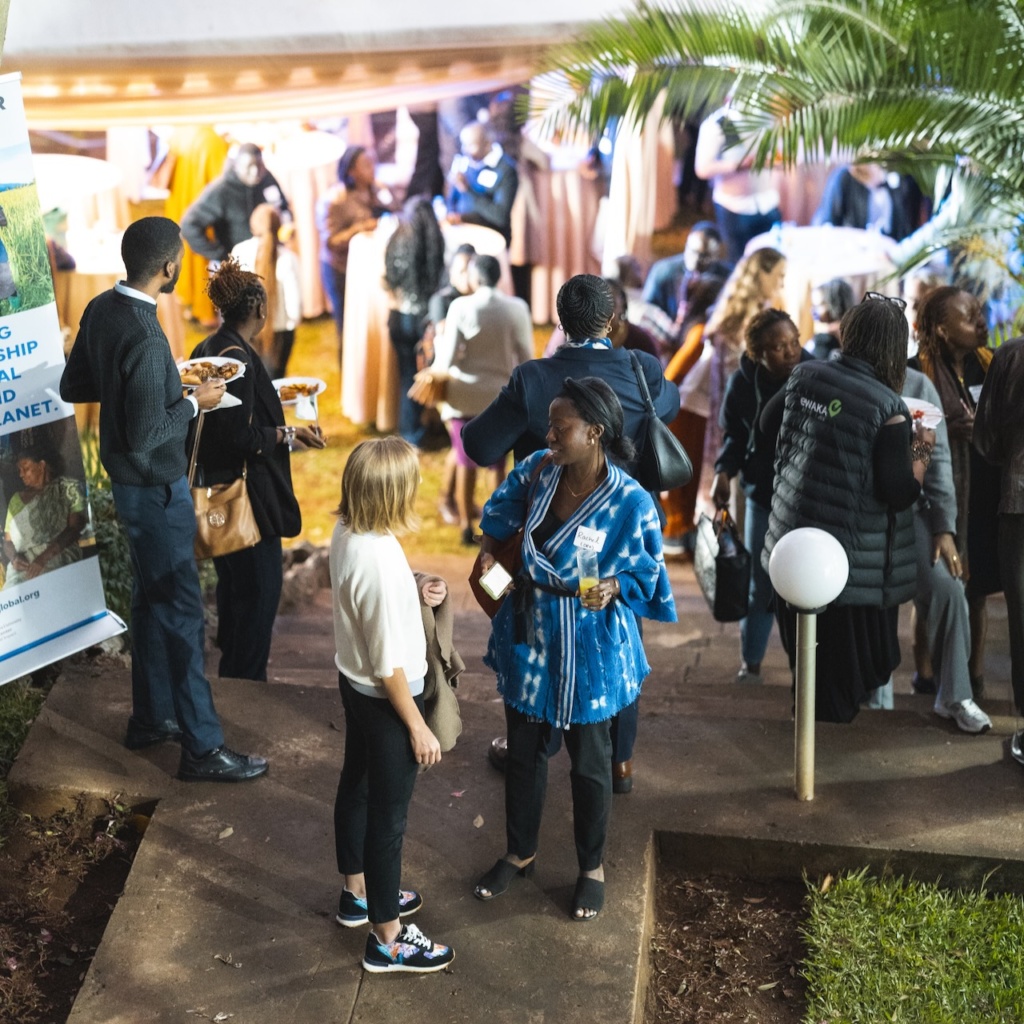
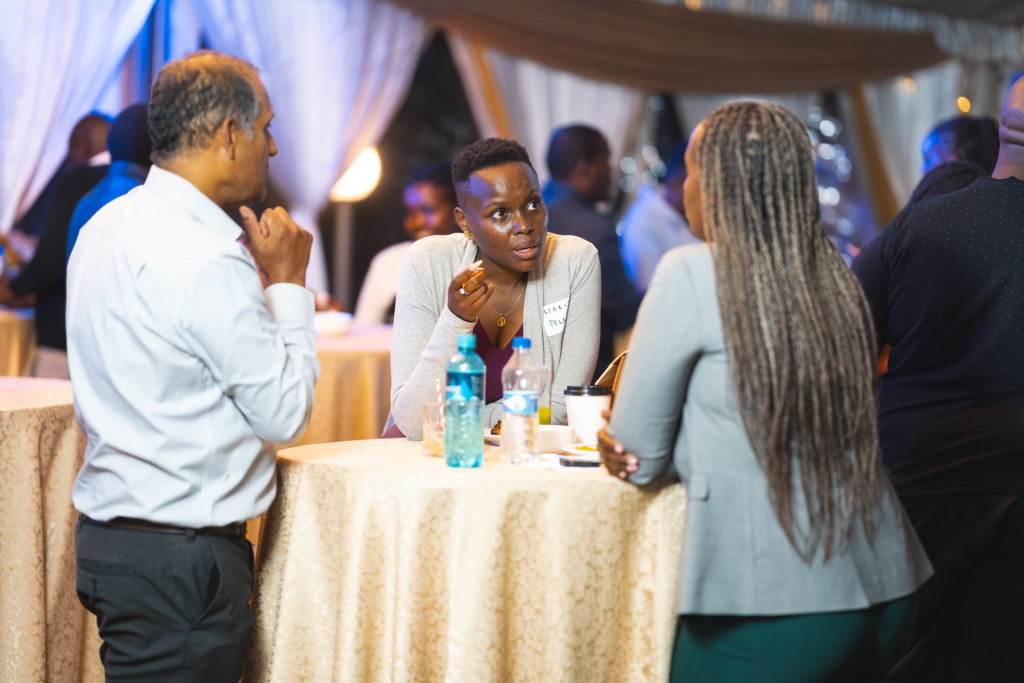
In February, we gathered in Nairobi, one of the most dynamic hubs for social innovation in the world.
Miller Center for Global Impact had the privilege of co-hosting a funder reception alongside Rippleworks, Alpha Mundi Foundation, Stanford Seed, and Segal Family Foundation.
Bringing this group together wasn’t incidental. It was intentional and deeply aligned with what this moment in impact investing requires.
Why We Convened
We are operating in a shifting global investment landscape.
Capital is tightening. Risk tolerance is evolving. Many investors are doubling down on existing bets rather than growing their portfolios. And yet, across Africa, entrepreneurs are building exactly the kinds of solutions the world needs across climate resilience, healthcare, financial inclusion, agriculture, clean energy, and water access.
The innovation is here.
The talent is here.
The urgency is undeniable.
What remains constrained is access to aligned, catalytic capital.
This reality is something we’ve been exploring more deeply through our work on the “True Cost of Impact Investing” to better understand what it actually takes to deploy impact-first capital effectively. This work has reinforced that we’re as rigorous as any mainstream investor; it costs more because we’re filling market gaps.
Across the ecosystem, there is a growing recognition that impact investing, particularly in underserved markets, comes with real trade-offs. Reaching the entrepreneurs solving the hardest problems often requires more flexible structures, longer time horizons, and a greater tolerance for risk than traditional models allow.
Responding to that reality isn’t something any one organization can do alone.
Beyond Transactions: Building an Ecosystem
At Miller Center, our work over nearly three decades has focused on accelerating social enterprises globally. But over time, we observed a consistent gap: even investment-ready entrepreneurs often struggle to access capital that meets them where they are.
That insight led to the creation of Miller Center Capital, an effort to help bridge the gap between readiness and investment with patient, values-aligned capital.
But just as importantly, it reinforced something bigger:
If impact-first investing requires different expectations and approaches, it also requires a different kind of ecosystem.
One built on coordination, transparency, and trust.
The Power of Partnership
This is where partnership becomes essential.
When funders collaborate, when we share diligence, exchange insights, and co-invest, we reduce friction for entrepreneurs and reduce our risk. We send clearer signals to the market. And we increase the likelihood that transformative ventures can scale.
More than that, we begin to operate not as isolated actors, but as a community of impact-first investors, aligned around the realities of the work and committed to navigating them together.
Each co-host of the Nairobi reception brings a distinct approach to investing. But what unites us is a shared belief: capital can and should serve people and the planet.
And that it works best when it moves in partnership.
Looking Ahead
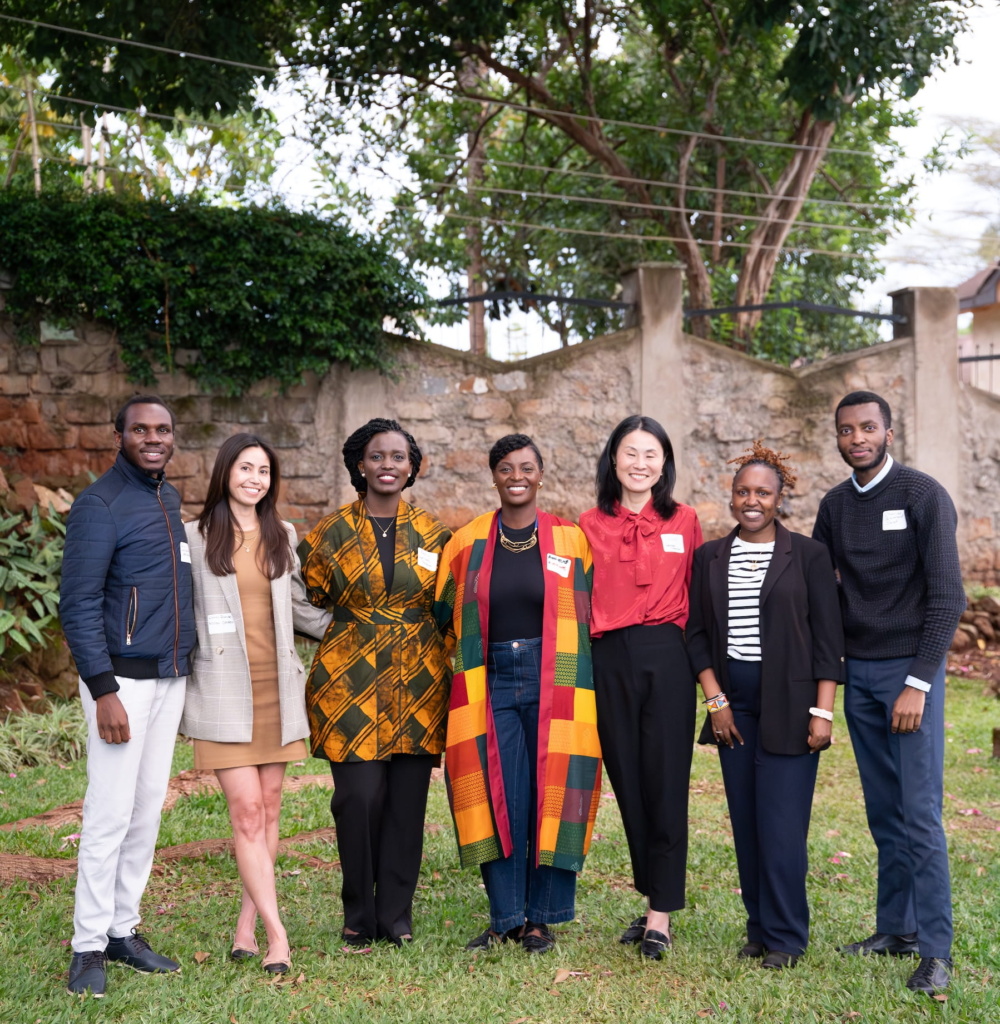
The Nairobi reception wasn’t just an event. It was a reflection of a broader shift.
From individual action to collective alignment.
From isolated transactions to ecosystem building.
From capital alone to coordinated, catalytic capital.
Because when we get this right, we don’t just fund companies.
We strengthen markets.
We share risk more intelligently.
And we accelerate solutions that communities have been waiting for.
We’re grateful to our partners, and to everyone who joined us, for being part of that work.
______
Photos:
Nairobi Funder Reception
Rippleworks, AlphaMundi, Segal, Stanford, MC co-host, & Karen Runde